Source Low Level Trigger Relay Module for Industrial Automation
Find and compare 30 low level trigger relay module options from verified suppliers. Evaluate specifications such as channel counts, input voltages, and mounting types to select the right component for your electronic projects; compare the available evidence and request quotations based on your requirements.
Key considerations
Products List
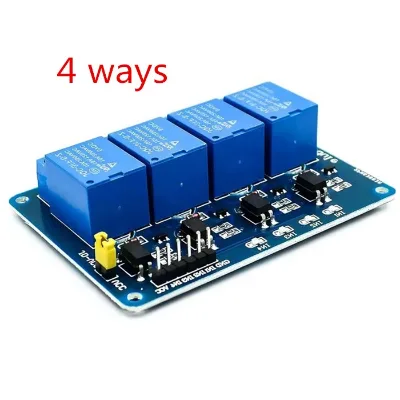
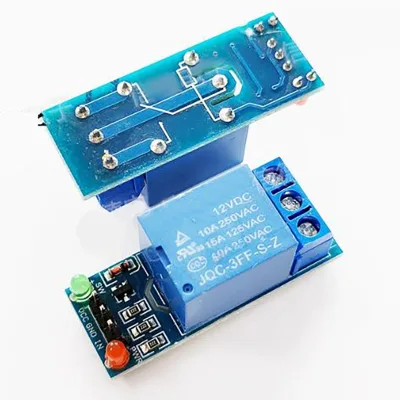


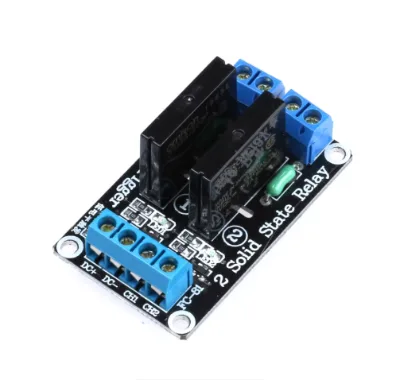
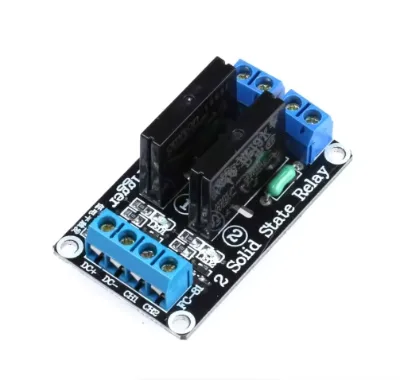


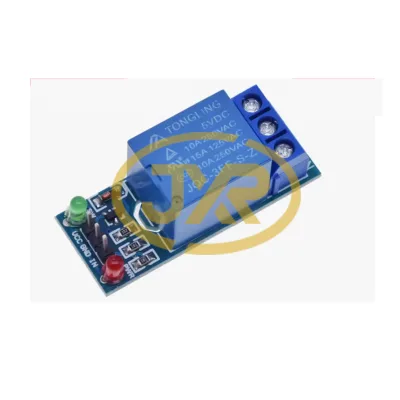
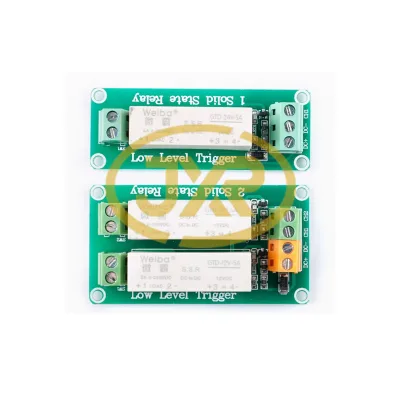


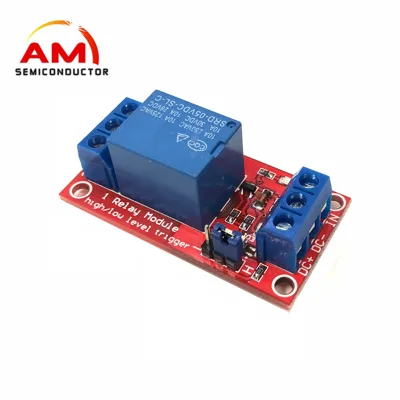


Comprehensive Sourcing Guide
Low Level Trigger Relay Module Sourcing Guide
Procuring low level trigger relay modules requires a precise understanding of signal logic and interface compatibility. These components are designed to respond to specific voltage thresholds, typically activating when the input signal drops below a defined level. Buyers must distinguish between active-high and active-low configurations to ensure seamless integration with existing control systems. Misalignment in trigger logic can lead to erratic system behavior or complete failure of automated processes. Therefore, verifying the exact trigger mechanism before ordering is a critical first step in the sourcing workflow.
The market offers a variety of channel counts, ranging from single units to multi-way configurations such as 1, 2, 4, 6, or 8-way modules. This diversity allows for scalable solutions in complex automation environments. However, the physical form factor and mounting style also play a significant role in selection. DIN rail mounting is a common standard for industrial applications, providing secure installation in control cabinets. Buyers should evaluate the spatial constraints of their equipment and the density of required I/O points to select the appropriate module size and channel density.
Product Scope and Observed Listing Signals
Current market listings indicate a wide range of product attributes, including model numbers like 69028 and S4A-502, which suggest diverse manufacturing origins. The observed price range spans from $0.21 to $200, reflecting variations in channel count, build quality, and brand reputation. Minimum order quantities typically start at one piece, allowing for small-scale prototyping, while larger orders may benefit from bulk pricing structures. Buyers should note that unit prices are often listed as "contact us," indicating that final costs depend on volume and specific configuration requirements.
Product descriptions frequently highlight features such as high-quality elements, sealed relay designs, and miniature sizes. Some listings specify inputs and outputs, such as 16 inputs with 8 outputs, or OSSD outputs for safety applications. The presence of screw terminals and standard 35mm DIN rail mounting suggests compatibility with industrial control panels. Additionally, customization options are available for certain suppliers, allowing for tailored solutions. Buyers must carefully cross-reference these observed signals with their technical requirements to avoid purchasing incompatible hardware.
Technical Specifications to Verify
Input voltage is a primary technical parameter that must be verified, with common options including 24V DC. The contact current rating, often observed at 6A, determines the load capacity of the relay module. Buyers should confirm whether the module supports medium power loads or requires higher current ratings for specific applications. The action principle, typically electronic type, influences response time and reliability. Understanding the theory behind the voltage relay ensures that the component will perform correctly under varying electrical conditions.
Output configuration is equally critical, with options ranging from single channels to redundant normally open outputs. Some modules offer 1 N.C. or 2 N.C. inputs, along with grating compatibility for safety systems. The cascade output/input feature allows for daisy-chaining multiple modules, expanding system capacity. Buyers must verify the safety level, such as Type 4, and compliance with standards like ISO13849-1 for safety-related applications. The protection grade, often IP40/20, indicates the level of environmental protection, which is essential for industrial environments.
Compliance and Safety Documentation
Safety standards are paramount when selecting relay modules for critical applications. Compliance with ISO13849-1 ensures that the module meets rigorous safety performance requirements. Buyers should request documentation proving that the product adheres to these standards, particularly for applications involving personnel safety or high-risk machinery. The safety level designation, such as Type 4, indicates the reliability of the safety function. Verifying this certification helps mitigate risks associated with system failures and ensures regulatory compliance in various jurisdictions.
Environmental protection ratings, such as IP40/20, provide information on the module's resistance to dust and water ingress. While these ratings may not be sufficient for outdoor use, they are adequate for indoor industrial environments. Buyers should also consider the sealing characteristics of the relay, as sealed relays offer better protection against moisture and contaminants. Documentation regarding material composition and design quality can further assure buyers of the product's durability. Ensuring that all safety and environmental claims are backed by verifiable data is essential for long-term reliability.
Cost Drivers and Commercial Terms
Several factors influence the total cost of ownership for relay modules, including channel count, build quality, and brand. Higher channel counts and specialized features, such as OSSD outputs, typically command higher prices. The condition of the product, often listed as "Original 100%," can also affect pricing, with genuine components commanding a premium over generic alternatives. Buyers should evaluate the trade-off between initial cost and long-term reliability, as cheaper modules may require more frequent replacement.
Payment methods vary, with options including PayPal, TT, LC, DA, DP, Western Union, and MoneyGram. Lead times are generally short, ranging from 1-3 days to 7 days, depending on the supplier and order volume. Buyers should clarify these terms before finalizing purchases to avoid delays in production. Packaging options, such as neutral packing or paper boxes, may also impact shipping costs and product protection. Understanding these commercial terms helps in budgeting and planning for inventory replenishment.
Supplier Qualification and Quality Control
Supplier qualification is a crucial step in ensuring the reliability of relay modules. Buyers should verify the supplier's reputation and history in the industry, looking for consistent quality and positive feedback. The brand name, such as Chipskey or original, can provide insights into the manufacturer's credibility. However, buyers should not rely solely on brand names and should request samples for testing before placing large orders. Quality control processes, including inspection and testing procedures, should be transparent and well-documented.
Quality attributes, such as high-quality elements and superb design, are often highlighted in product descriptions. Buyers should verify these claims through independent testing or third-party certifications. The place of origin, typically China, indicates the manufacturing location, but buyers should ensure that quality standards are maintained regardless of location. Packaging, described as original or standard, should protect the product during transit. Establishing a clear quality assurance protocol with the supplier helps minimize the risk of receiving defective or substandard components.
Long-Term Procurement Checks
Long-term procurement success depends on consistent quality and supply chain stability. Buyers should establish regular performance reviews to monitor the reliability of relay modules in their applications. Tracking failure rates and maintenance costs can provide valuable insights into the product's longevity. Suppliers who offer customization and responsive support are often better partners for long-term collaboration. Buyers should maintain open communication with suppliers to address any issues promptly and ensure continuous improvement.
Inventory management is also critical, with lead times and MOQs influencing stock levels. Buyers should plan for seasonal fluctuations and potential supply chain disruptions by maintaining safety stock. The availability of spare parts and replacement modules should be confirmed to minimize downtime in case of failure. Regular audits of supplier performance and product quality help maintain high standards. By focusing on these long-term checks, buyers can ensure a stable and efficient procurement process for relay modules.
FAQs
What is the input voltage for this relay module?
The input voltage is 24V DC. This specification ensures compatibility with standard industrial control systems. The module operates as a voltage relay with electronic action principles. It is designed for reliable switching in various applications including communication and household appliances. Always verify power supply requirements before installation to ensure safe and stable operation.
How many channels does the relay module support?
The module supports multiple channel configurations including 1, 2, 4, 6, and 8 ways. Specific models may feature 16 inputs and 8 outputs with 4 OSSD channels. This flexibility allows for scalable integration into complex automation setups. The relay terminals are screw-type for secure connections. Choose the channel count that matches your specific control logic requirements.
Can the relay module be mounted on a DIN rail?
Yes, the module supports standard 35mm DIN rail mounting. This design facilitates easy installation and replacement in electrical cabinets. The compact miniature size helps save space in control panels. The product is sealed for protection and meets IP40/20 standards. This mounting method is ideal for industrial environments requiring robust and organized wiring solutions.
What is the lead time for ordering this product?
The lead time is typically 1-3 days for standard orders. Some listings indicate a delivery time of 7 days depending on stock availability. The product originates from Guangdong, China. Fast turnaround times support urgent procurement needs. Buyers should confirm specific delivery schedules with suppliers to ensure alignment with project timelines and operational requirements.
What safety standards does the relay module meet?
The module complies with ISO13849-1 safety standards. It is classified as Type 4 safety level for high reliability. The contact current is rated at 6A for medium power applications. These certifications ensure safe operation in critical industrial settings. The sealed design and robust construction contribute to overall system integrity and personnel safety during continuous use.
Is customization available for this relay module?
Customization is available for specific application needs. Buyers can request tailored configurations for unique industrial requirements. The product is offered in original packaging with high-quality elements. Suppliers may adjust specifications based on demand. Contact vendors directly to discuss custom options and ensure the module fits your exact technical and operational parameters.